
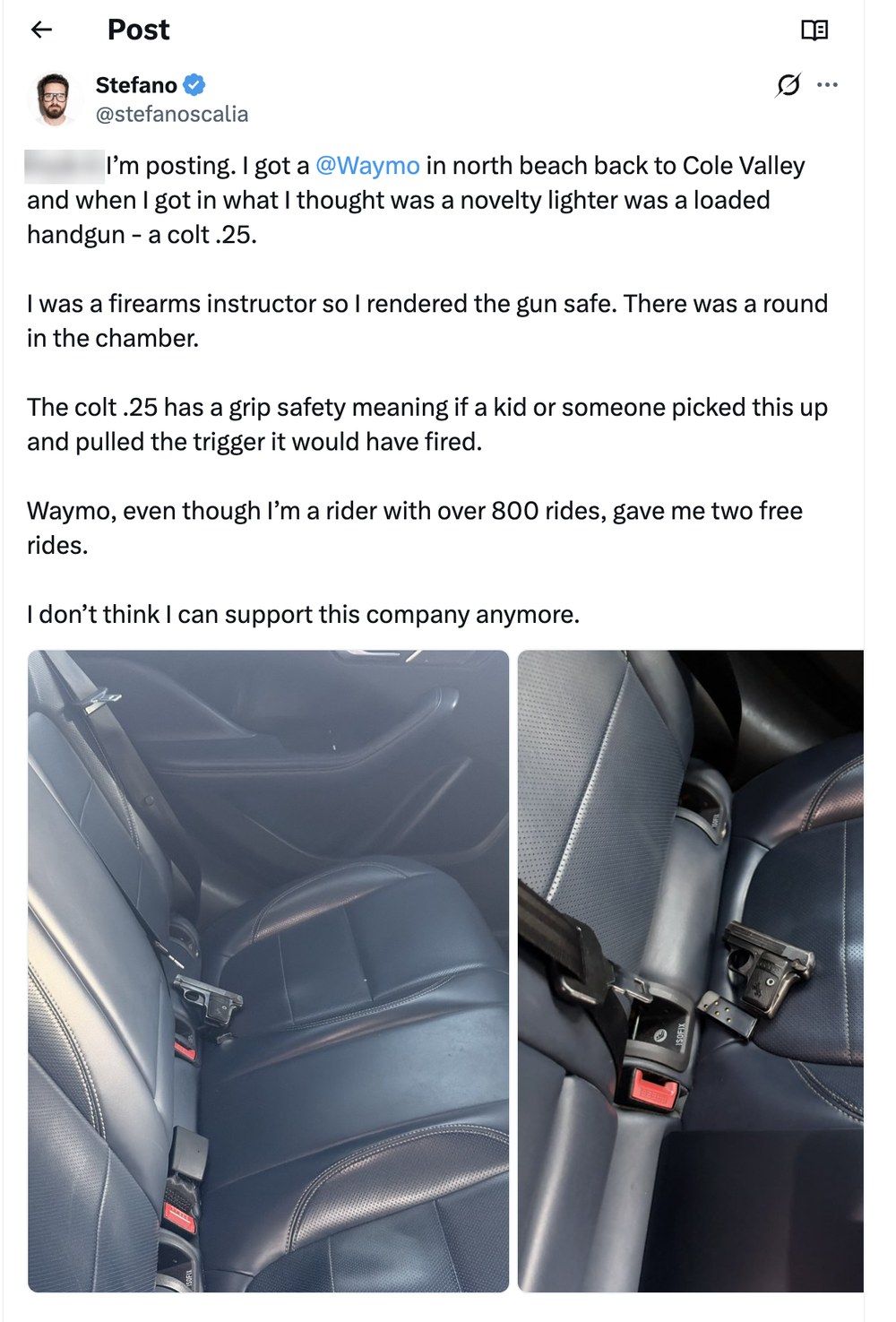
Around 4 p.m. on 17 November, Stefano Scalia climbed into a Waymo in North Beach, San Francisco, and saw what he took for a novelty lighter. It was a loaded Colt .25 pistol on the rear seat, he wrote on X a week later, with a round in the chamber. The photos he posted show it lying beside the seat-belt buckle and a child-seat anchor, with a magazine next to it. He says he was a firearms instructor and made it safe, and that the pistol has a grip safety, a part that lets the gun fire once it is gripped, so a child who picked it up and pulled the trigger could have fired it. Then, he says, he pressed the button for Waymo’s support line and was told the company’s rules.
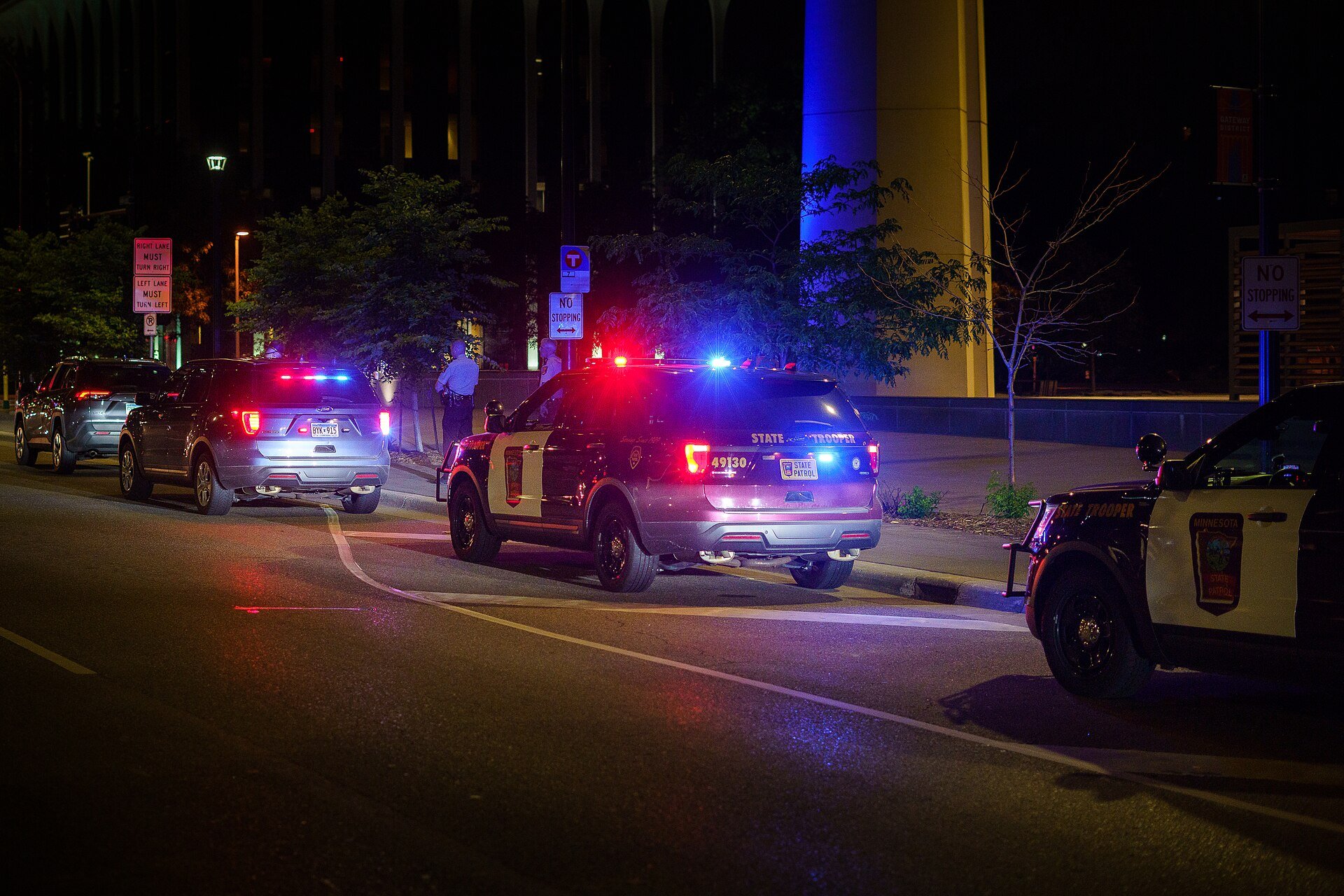
By his account, in a follow-up post on X that KQED also reported, the first support agent told him weapons are not allowed in the cars, which he took to mean the gun was his. He says he pleaded to be passed to someone more senior and to have the car stopped, and that the person who took over said they would tell police he was in a Waymo with a gun. He had the car pull over, got out and called 911 himself, telling the dispatcher that he was unarmed and the gun was in the car. San Francisco police told CBS that officers met a passenger at Filbert and Mason streets at about 4:16 p.m. who said he found a firearm on the seat when he boarded.
Waymo disagrees with part of this. It says a specialist on its emergency response team told him he was innocent, called 911 and told police he had found the gun and was waiting outside, unarmed. It denies that anyone said they would tell police he was in a Waymo with a gun. It also says weapons are banned under its rules for riders, that it reviewed the trip records, identified the account holder tied to the violation and took action, though it has not said what action, and that it is reviewing how customer service handled the case. Police took the weapon. No arrests or charges have been reported.
Most coverage has focused on the phone call: what the support agent said and whether a rider was treated as a suspect. I read it as a story about what happens when you take the driver out of a car and nobody takes over the driver’s job. A gun can ride in a driverless car in two ways. A rider can carry it in, or a rider can leave it behind. Both are possible now, and the second is the one that worries me more.
Uber trusts the rider. Waymo trusts a camera.
Uber’s firearms policy bans riders and their guests, as well as drivers and delivery people, from carrying firearms on the platform, to the extent the law allows, and anyone who breaks it may lose access. Waymo’s rules ban weapons too. On paper the two companies say the same thing. In practice a ban like this is a promise. A driver cannot search a passenger, and a gun in a coat or a bag rides like anything else. Anyone who wants to bring a gun into an Uber can, if they hide it.
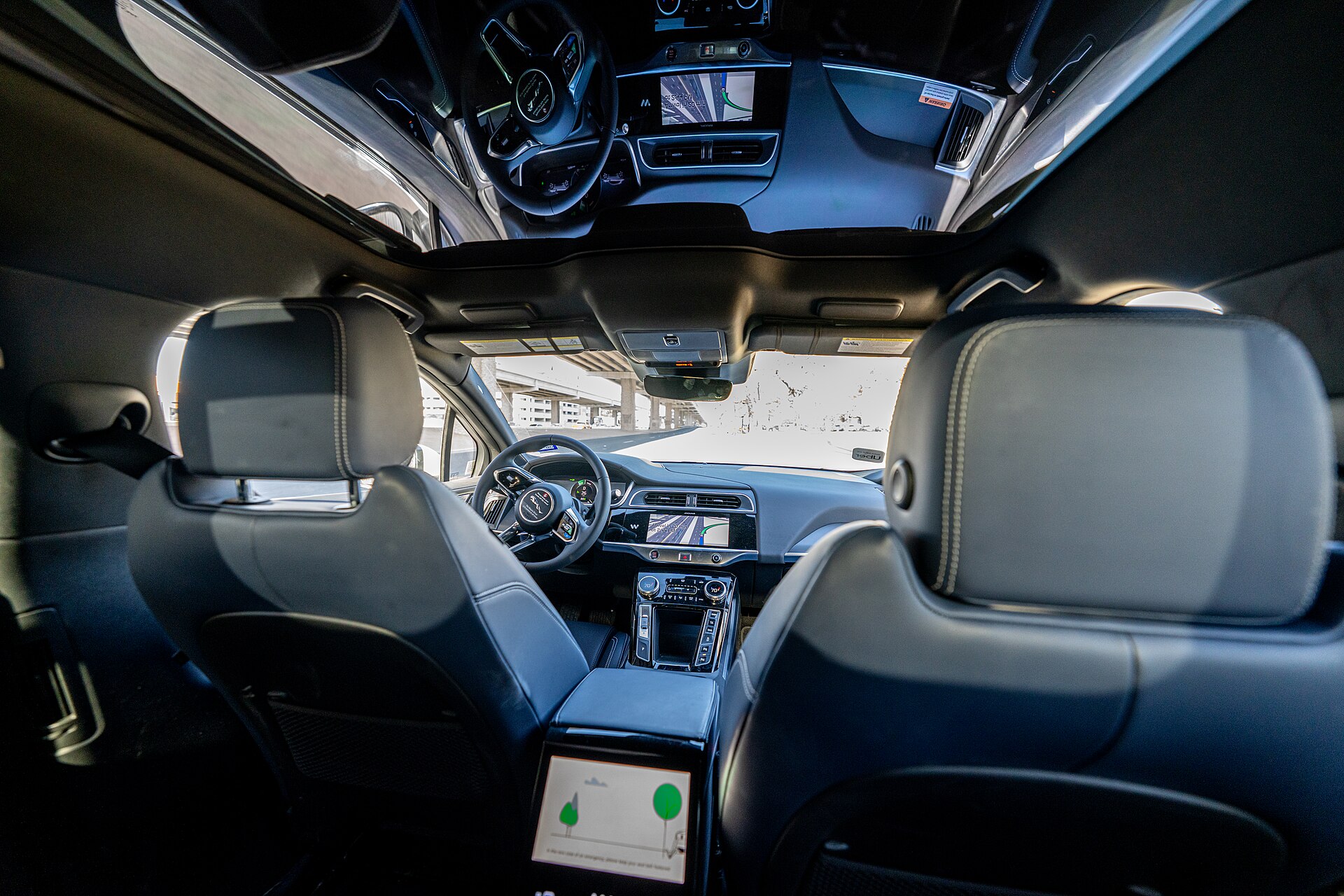
What Uber has, and Waymo does not, is a person in the car. When something is left on the back seat, the driver turns, sees it and does something about it. That glance is not written in any policy. It is a habit, and it catches the thing nobody planned for. A robotaxi has no one who turns. Waymo’s support page says the cameras inside its cars are used to check that a car is clean, to find lost items, to respond to emergencies and to make sure riders follow the in-car rules. It says Waymo Support may look at recorded video after someone reports a problem and, in urgent cases, at live video during a trip. Waymo spokesperson Julia Ilina told The Verge in an email that the company also uses automated technology to help its teams identify possible violations, firearms among them. So the cars do have eyes. What Waymo has not said is how much of the watching is done by software, how much by people, and when. A camera also sees only what is in view, and I would expect a gun in a bag or a coat to ride in a Waymo as easily as it rides in an Uber. The difference is that in a Waymo nobody can refuse the ride, ask a question or notice that something is wrong.
That is the first half of my worry: a Waymo can carry whatever a rider is willing to hide, with no human anywhere near. We already have one small proof of how freely these cars carry people. In January, according to the San Francisco Chronicle, a burglar used a Waymo as a getaway car outside a yoga studio in the Marina, and as of June police had not caught him. Police needed a search warrant to get the account behind the ride and the video from the car, and by the time it was filed in April the company no longer had the video from inside.
The post that started it. Stefano Scalia (@stefanoscalia) wrote on X on 24 November 2026 that he found a loaded Colt .25 in a Waymo, that he is a rider with more than 800 rides, that Waymo gave him two free rides, and that he does not think he can support the company anymore. Read his original post on X.
Two guns, two different results
The second half is the one Scalia’s photos show. On 3 September, at about 4 a.m. in San Francisco, Waymo stopped one of its cars, and the company said it had detected “a violation of our terms of service involving a firearm,” called emergency services and cooperated with police. Reports describe a loaded AR-style rifle, a ghost gun, meaning an untraceable homemade firearm. Officers also found suspected marijuana and mace spray, and arrested two minors. About eleven weeks later, a loaded pistol lay on a seat in plain view, and a Waymo drove to pick up the next passenger anyway. The first gun got a stop. The second, by Scalia’s account, needed a person to climb in beside it and make a phone call.
I do not know why the two cases went differently, and the public record does not say. Waymo has not said whether software, a remote employee or a rider’s report caught the September gun, and The Verge reported that it would not explain what role people play between an automated alert and a call to police. Waymo also has not said how long the November pistol was in the car, whether the cameras saw it, or whether anyone looked at the inside of the car between the last rider and Scalia. One explanation is that the September gun was in riders’ hands during a trip, and the November one sat still on an empty seat. If that is the answer, it is worse than a technical miss. It would mean Waymo watches its riders but not its seats, and that a gun left behind is the one thing the system was not built to see.
The same records can answer a second question that matters just as much. Waymo says it identified the account holder tied to the violation from its trip records. So the trail exists, and it existed before Scalia opened the door: a rider’s trip ended, and the car drove on. Waymo can say who rode before him. It has not said whether that person forgot the gun or left it on purpose, whether police have been told, or whether that person carried a weapon on other rides. I cannot answer those from outside, and I do not think anyone else outside the company can either.
What could happen next, and what to ask
I should be plain about what I cannot show. I have found no case of a rider taking a gun left in a Waymo, and no case of a rider hurt by one. These are risks, not events. But they are not far-fetched, and each one follows from the facts above.
Take the first. A rider finds the gun. California law, as I read it, expects a person who finds property worth $100 or more to hand it to the police within a reasonable time, and keeping lost property when there are clues to the owner is a crime. There are exceptions for carrying a found gun to the police, and they ask the finder to tell the police first. I suspect few riders know that. A rider who hears from the first voice on the support line that weapons are not allowed has been taught the opposite lesson: say nothing and get out. It is not a stretch to imagine a rider deciding to pocket the pistol. The gun then leaves the car and goes wherever that person goes, and Waymo’s records would show only a trip.
Take the second. Teenagers do get into these cars, as the September case showed, and the November photos show the pistol next to a child-seat anchor. Two teenagers climb in, find a loaded gun and start handling it, and one shoots himself or his friend. Or drunk riders find it on a weekend night. I would not count on people in that state to call support or 911. If they play with it and somebody gets hurt, no driver is there to step in. Nobody stands between a loaded gun and a bad idea.
Waymo’s best case deserves a hearing. Guns turn up in taxis and ride-hail cars everywhere, and a human driver does not search every seat. Waymo can identify the account that was in the car, which is more than most taxi companies could say about a street hail. Its staff did escalate this case, and it is reviewing how support handled it. A company with this many cars was always going to meet rare events. That defence runs out in two places. Nobody outside Waymo can test the numbers, because it has not said how many weapons it has found this year, in how many cities, or how many were caught by its own systems and how many were reported by riders. And being able to name the rider afterward is not the same as keeping the next one safe. A loaded handgun on a seat is a danger in the minutes it sits there, to whoever gets in.
The questions are narrow and Waymo can answer them. How long was the pistol in the car, and what did the cameras show? Does anyone or anything look at the inside of the car between riders, and if not, why not, given that Waymo watched a car with riders in it in September? What does the support script now say to a rider who reports a weapon, who decided it, and can a rider stop the car and reach 911 with one press? Has Waymo given police the previous rider’s account details, and has it told them whether that rider had carried a weapon before? How many weapon reports has it had in 2026? And does any California regulator require it to report such cases? I would add one fix that costs little. Before a car takes the next rider, someone or something should look at the empty seats, and any car that finds an object it cannot name should stay out of service until a person has checked it. I sent these questions to Waymo and to the San Francisco Police Department on 26 November and asked for answers by Monday 30 November. I will add what they say.
The Field wrote earlier this week that Waymo has published no rider procedure for a car that is behaving wrongly at speed. This case shows the same gap in a different place. In both, the rider is left to improvise, and the public rules say little about what a person alone in a car with something dangerous should do. Scalia says Waymo offered him two free rides. The detail I would keep is this one: by his account, he had to leave the car, stand on a San Francisco sidewalk and call 911 himself. A company that can watch its riders this closely should be able to say, in public, who was watching the seat.

Comments
Every comment is read by a person before it appears, so yours will not show straight away. We publish comments that are civil and on the subject. To report a mistake in the piece, use the corrections page, so it is fixed in the piece itself.