AnalysisGovernance
A Loaded Gun Sat in a Waymo. Who Was Supposed to See It?
Uber bans guns and relies on its driver to notice one. Waymo bans them too, with no driver. A pistol on a rear seat in San Francisco shows what that gap can hold.
Founder and editor of The Field. Independent investigative journalist.
Ismail Abukar is an independent investigative journalist. Over seven years of primary field research inside Somalia's prisons and military courts, including about 500 interviews with convicted Al-Shabaab operatives and a review of 400 military court cases, he has reported on Al-Shabaab, arbitrary detention and political accountability. His investigations have been published by Lawfare, African Arguments, Horn Observer and Pambazuka News, and his research has been cited by Amnesty International, Human Rights Watch and the U.S. State Department. He holds an MA in International Law and Human Rights from UPEACE (2021). He founded The Field to give reporters who were there a place to publish. He is also co-founder and chairperson of the Organization for Prisoners' Rights (OPR), a separate nonprofit in Mogadishu that has no role in funding or editing The Field.
Uber bans guns and relies on its driver to notice one. Waymo bans them too, with no driver. A pistol on a rear seat in San Francisco shows what that gap can hold.
Prosecutors say a speeding car hit a fuel tanker on Cairo's Ring Road and 31 people died. The harder question is why a loaded tanker was on the road at the evening rush hour, and reports point to a 2018 exemption.
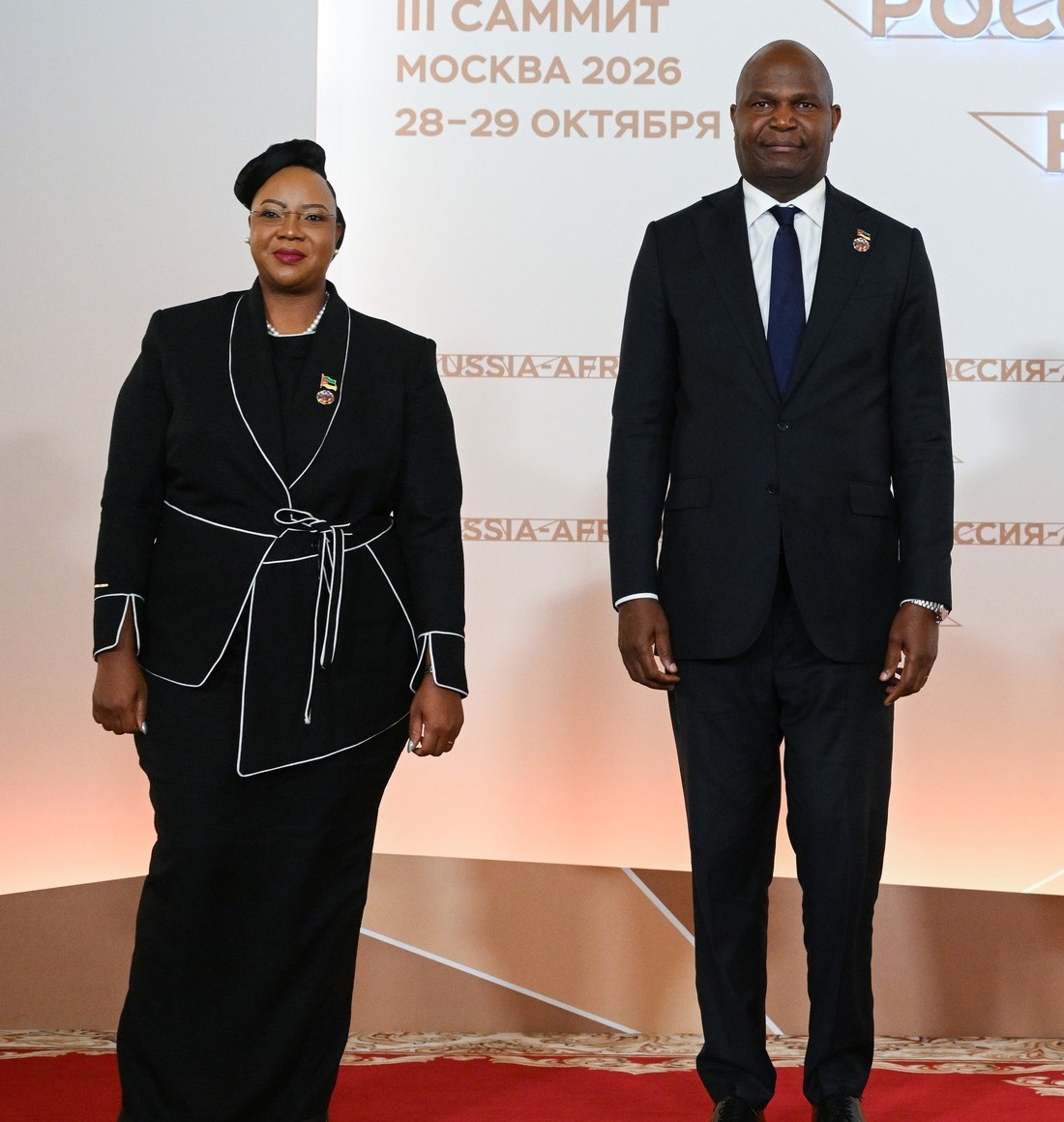
Mozambique is trying Venâncio Mondlane for terrorism over Facebook broadcasts. Tanzania’s court dropped treason and convicted Tundu Lissu of something else, and Uganda still holds Kizza Besigye on treason.
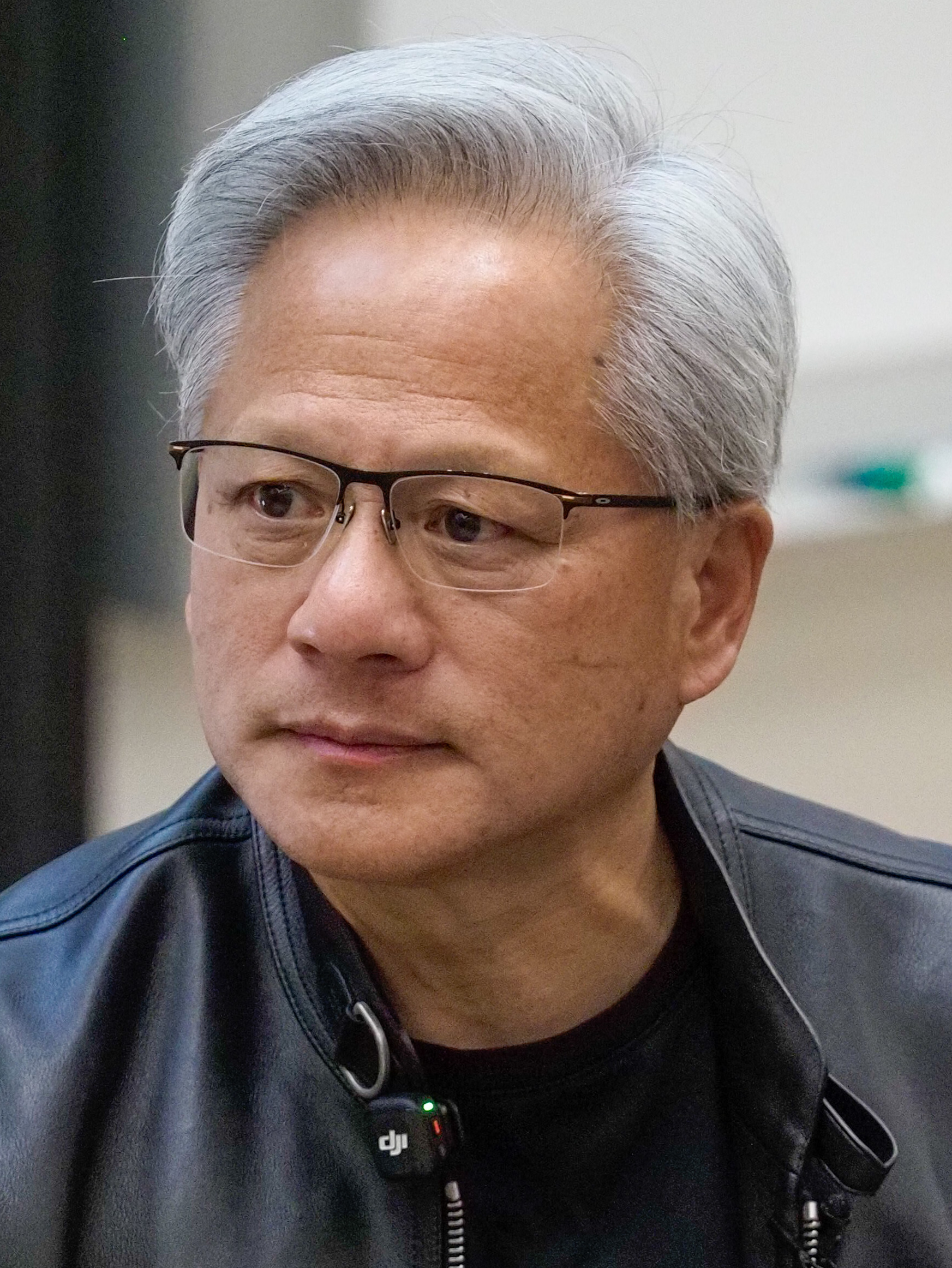
Nvidia’s board brought Jensen Huang back on the government’s word. The Justice Department will not say it investigated him, and Reuters reports it did not.
California barred Waymo from its freeways after the same fault came back following a fix. The cars’ backups cover failing parts. The failures keep coming from bad judgment.
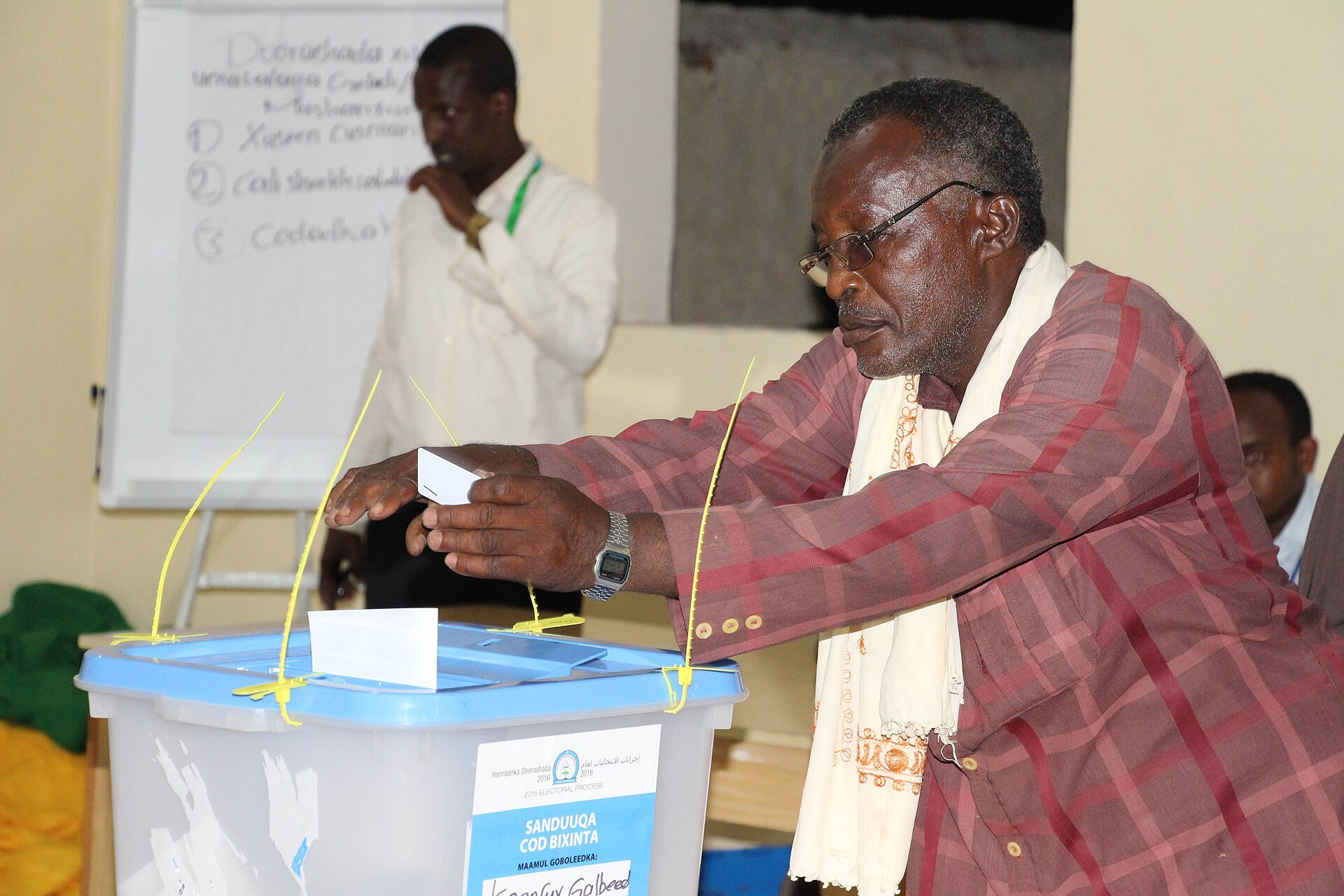
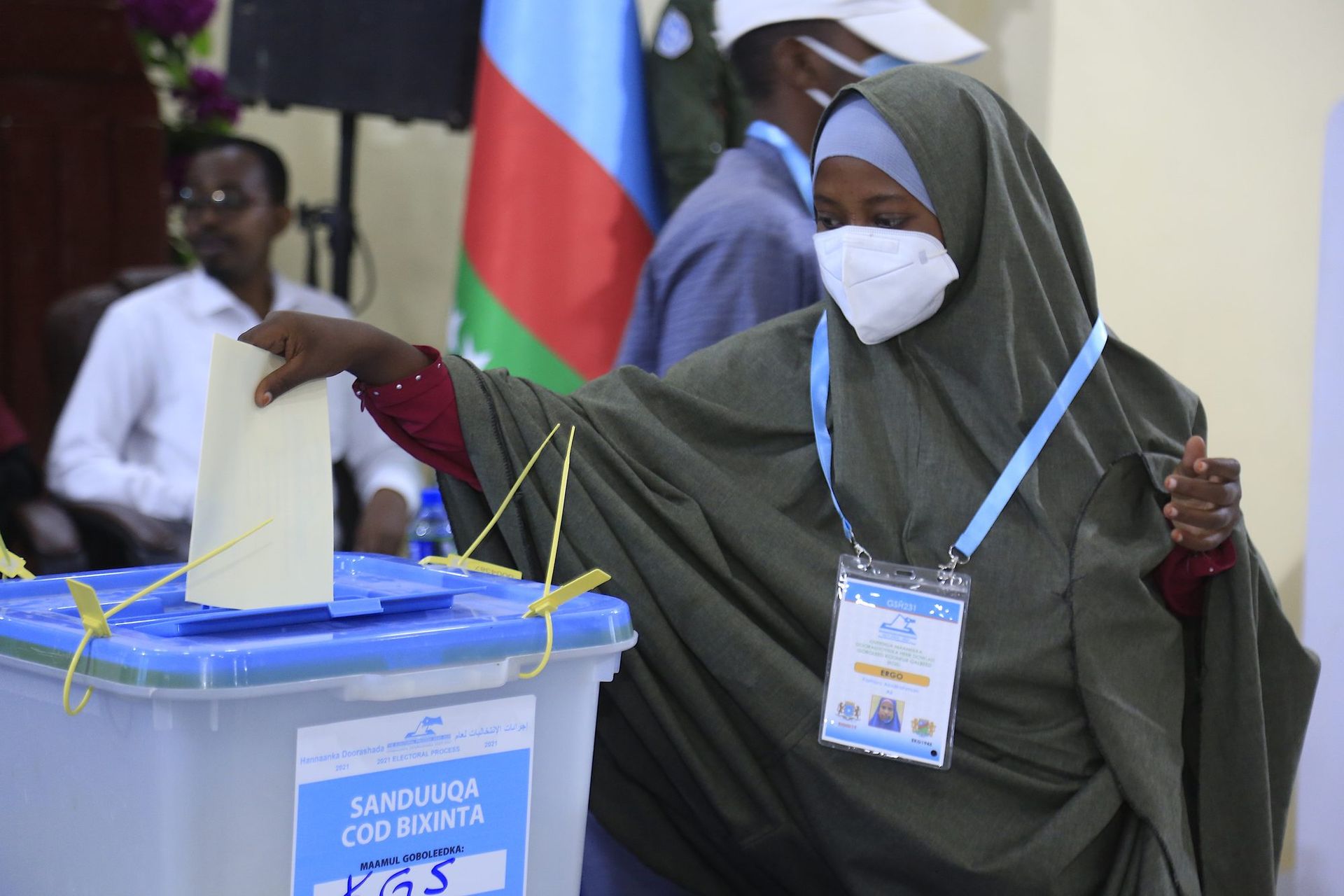
South West State elected its parliament by one person, one vote. That parliament then chose a president whose win was widely expected. This analysis looks at what the reform changed and what it left out.
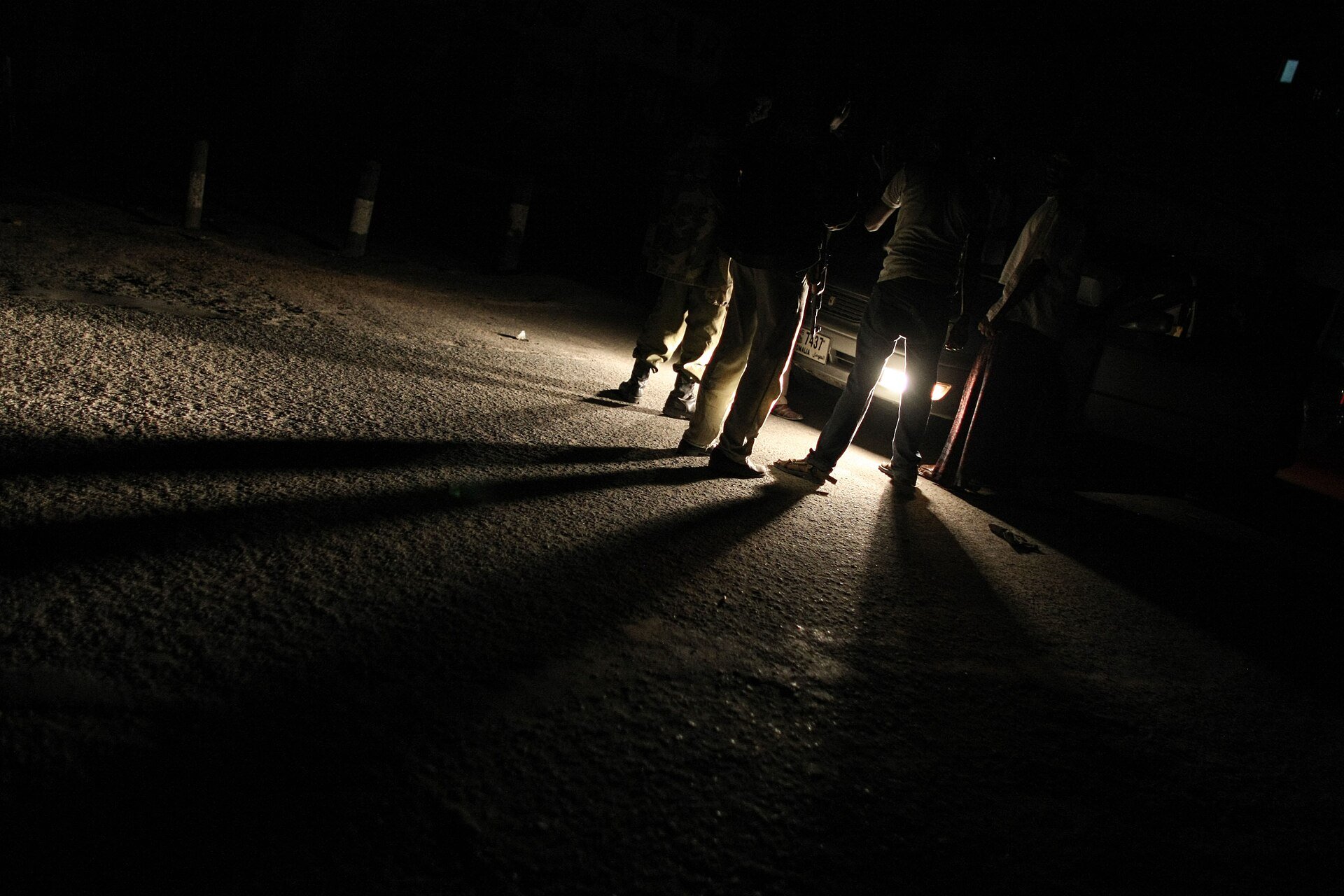
Attacks in the capital have fallen sharply, the government and the data I found agree. The people I interviewed say the Nabad Sugid, the plainclothes units of the intelligence agency NISA, did not do it, and that even cameras said to be guarded were bombed. The worst failures of 2025 hit checkpoints, bases and a prison complex that houses NISA's headquarters, and Critical Threats reports a spike in early August 2026. NISA says it killed a former chief of Al-Shabaab's Amniyat intelligence wing on October 1. As of November 18, no independent source had confirmed it.
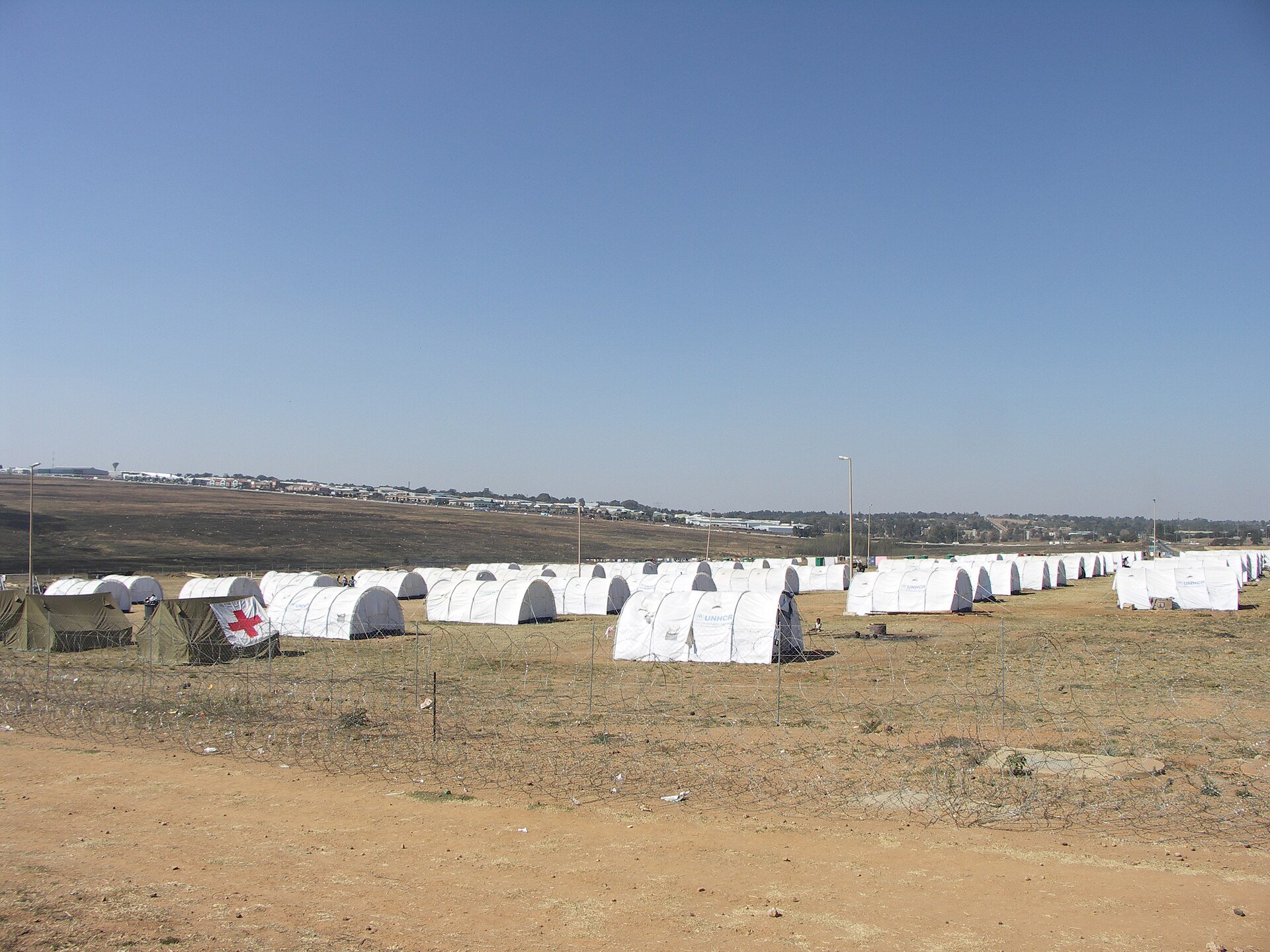
Armed groups marched foreigners to a Johannesburg police station in December 1994. More than 30 years later the attacks continue, the courts have ordered the state to act, and shop owners I knew still never heard back from the police.
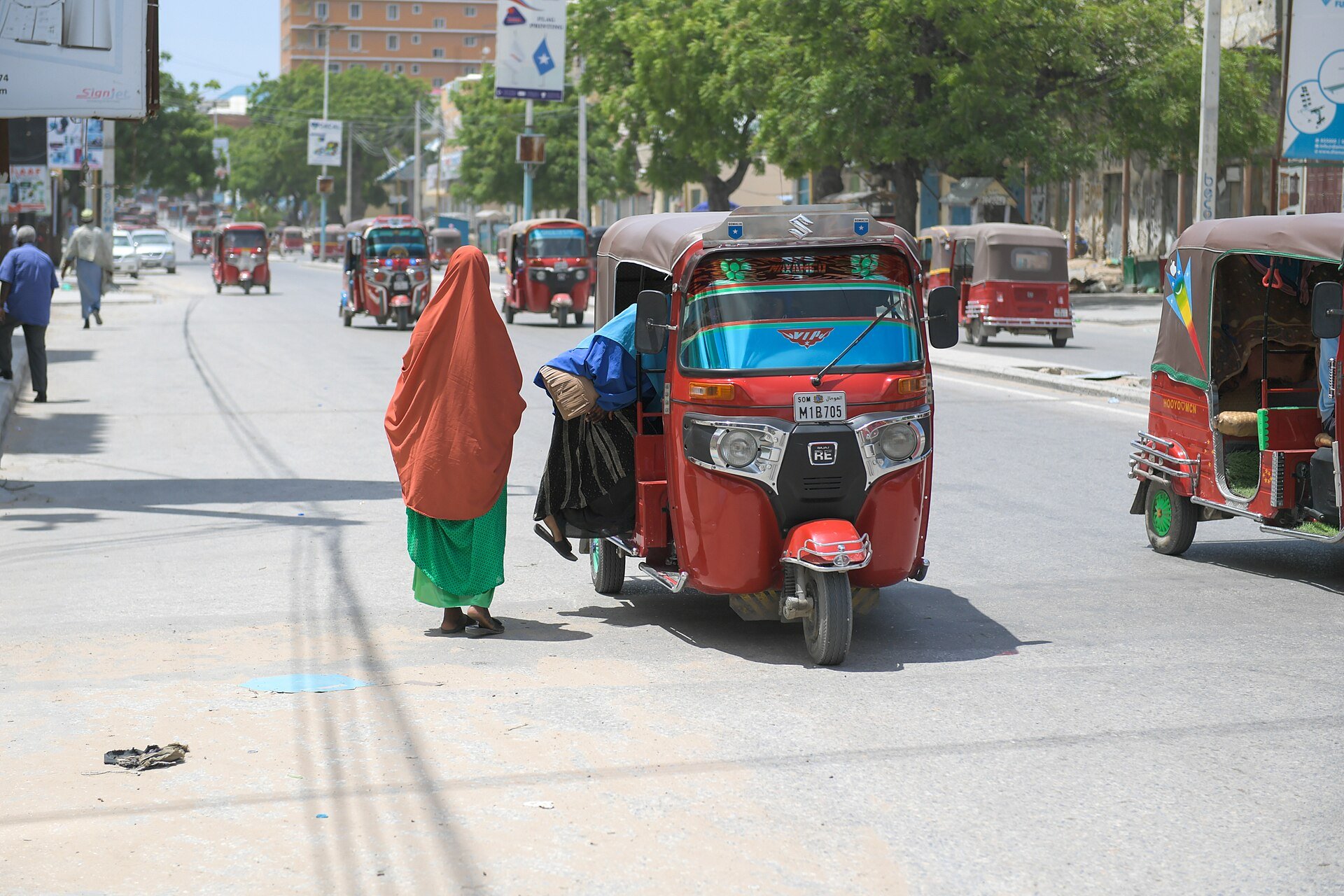
Over six years I counted nearly 2,000 incidents in which tuktuk drivers in Mogadishu were shot, injured, beaten or intimidated by security forces. The plainclothes Nabad Sugid of Somalia's intelligence agency, NISA, are one of those forces, and the hardest to pin down. I have also watched close to 100 military court cases against security officers. Kiosk owners tell me that when they call the police, the police stay away.
A Somali American Uber driver died two weeks after a passenger attacked him in Hopkins, Minnesota. The man accused is charged with attempted murder, a charge prosecutors may now change. They say they cannot yet prove the attack was driven by bias.
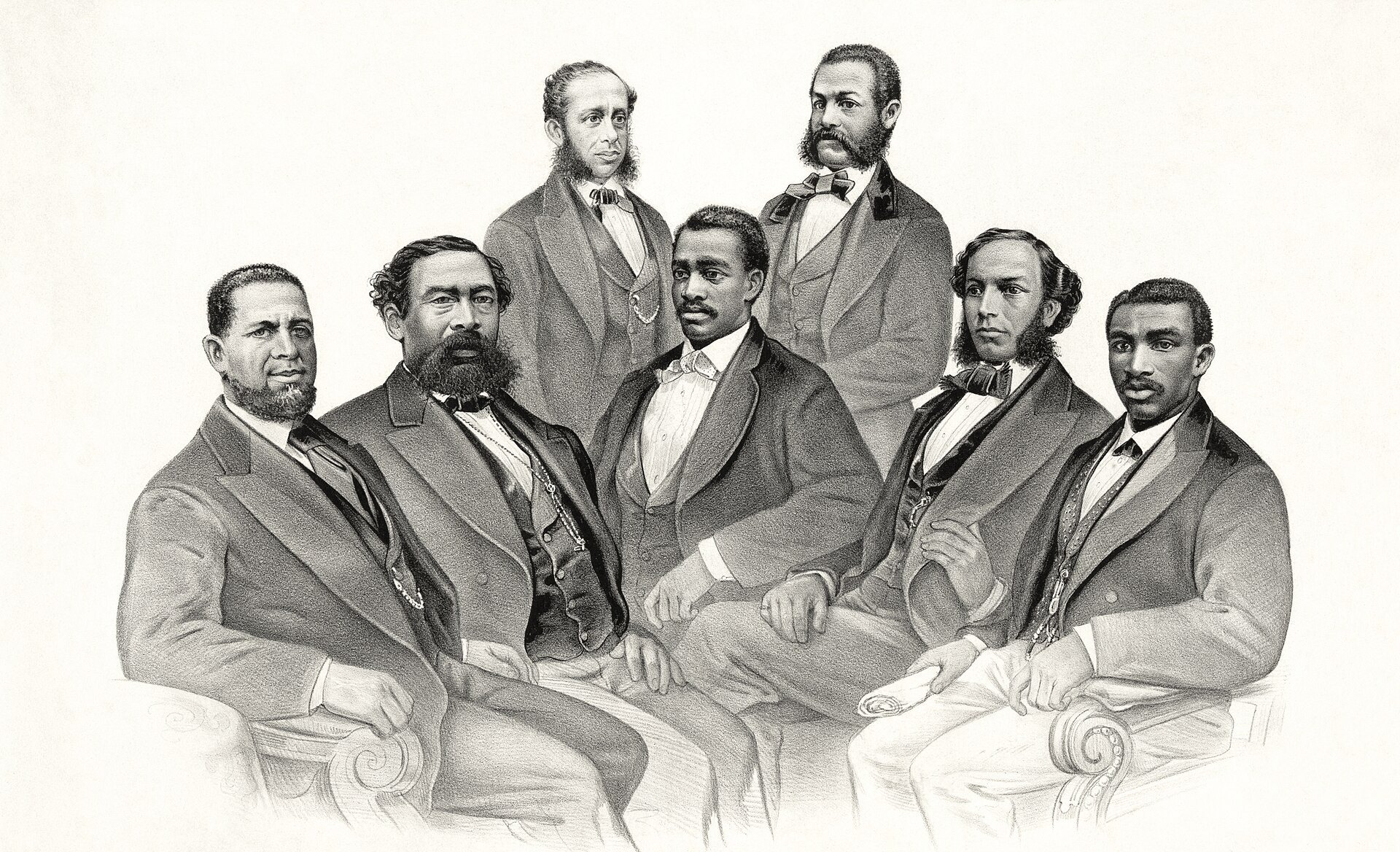
Remember who kept that from happening. Scott Colom's victory ends a political absence stretching back to Reconstruction. Understanding that absence requires confronting the violence, laws and official decisions that produced it.
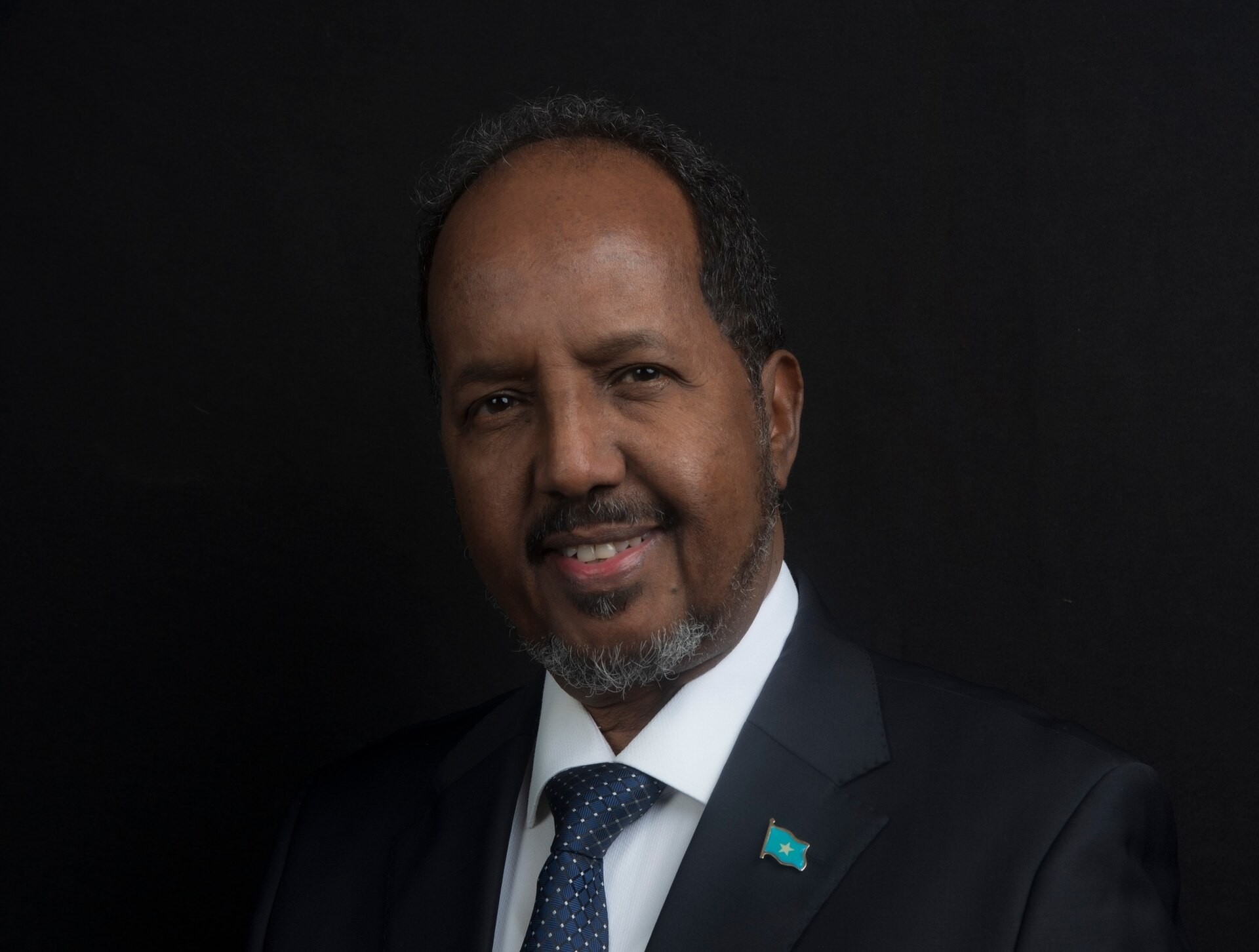
Who holds Somalia's institutions accountable? President Hassan Sheikh Mohamud dismissed the chief justice a day before a ruling against his extended mandate. But the Supreme Court's earlier handling of disputed regional elections raises questions about judicial consistency, independence and the institutions entrusted with enforcing Somalia's constitution.
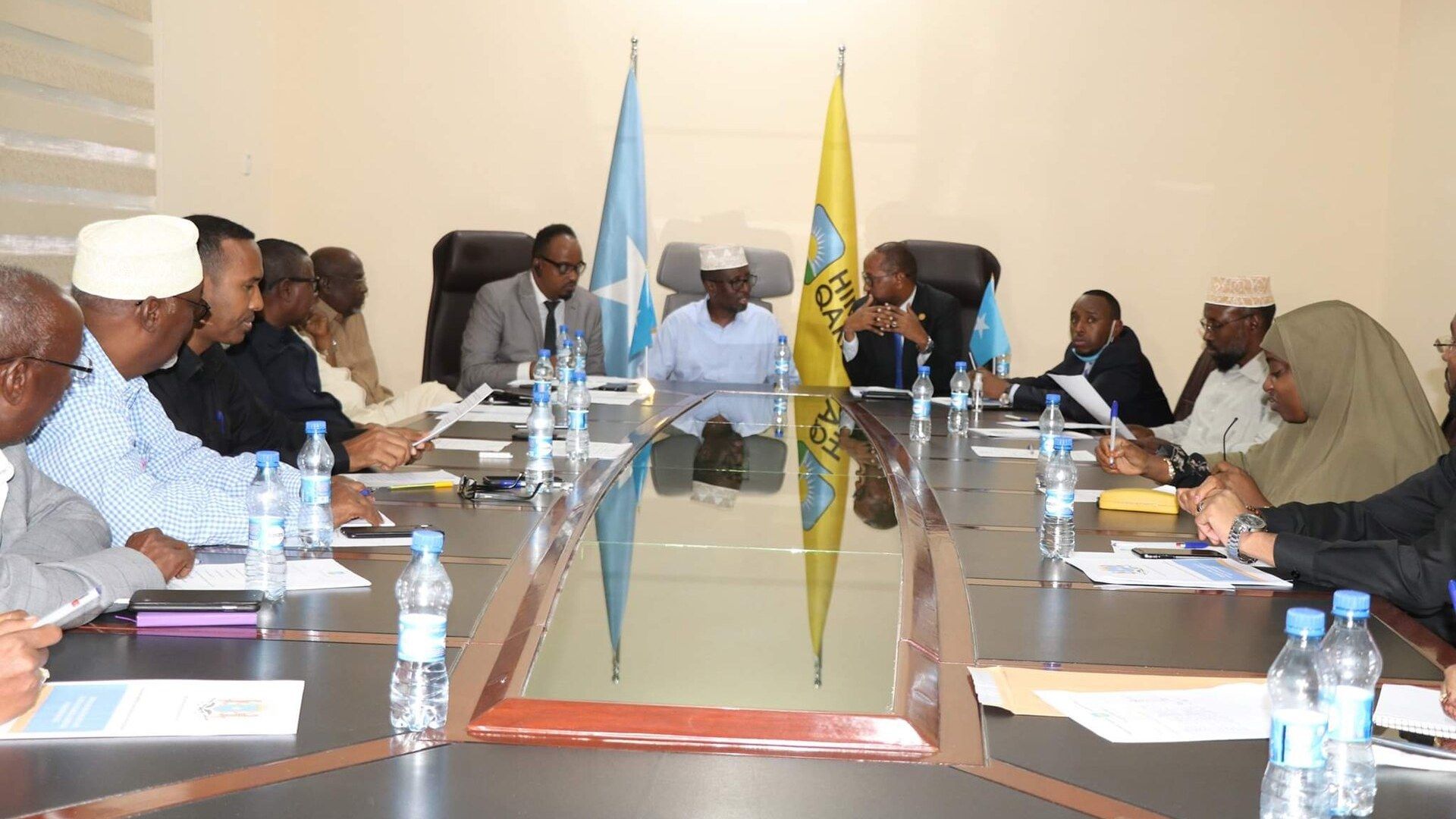
The Salvation Forum calls Banadir's election illegal and the Future Council rejects the 2027 timetable. On October 22 former Prime Minister Roble and others congratulated Galmudug's new president. The president says the Supreme Court answers any complaint about the national vote. The opposition has not agreed on what it is objecting to.
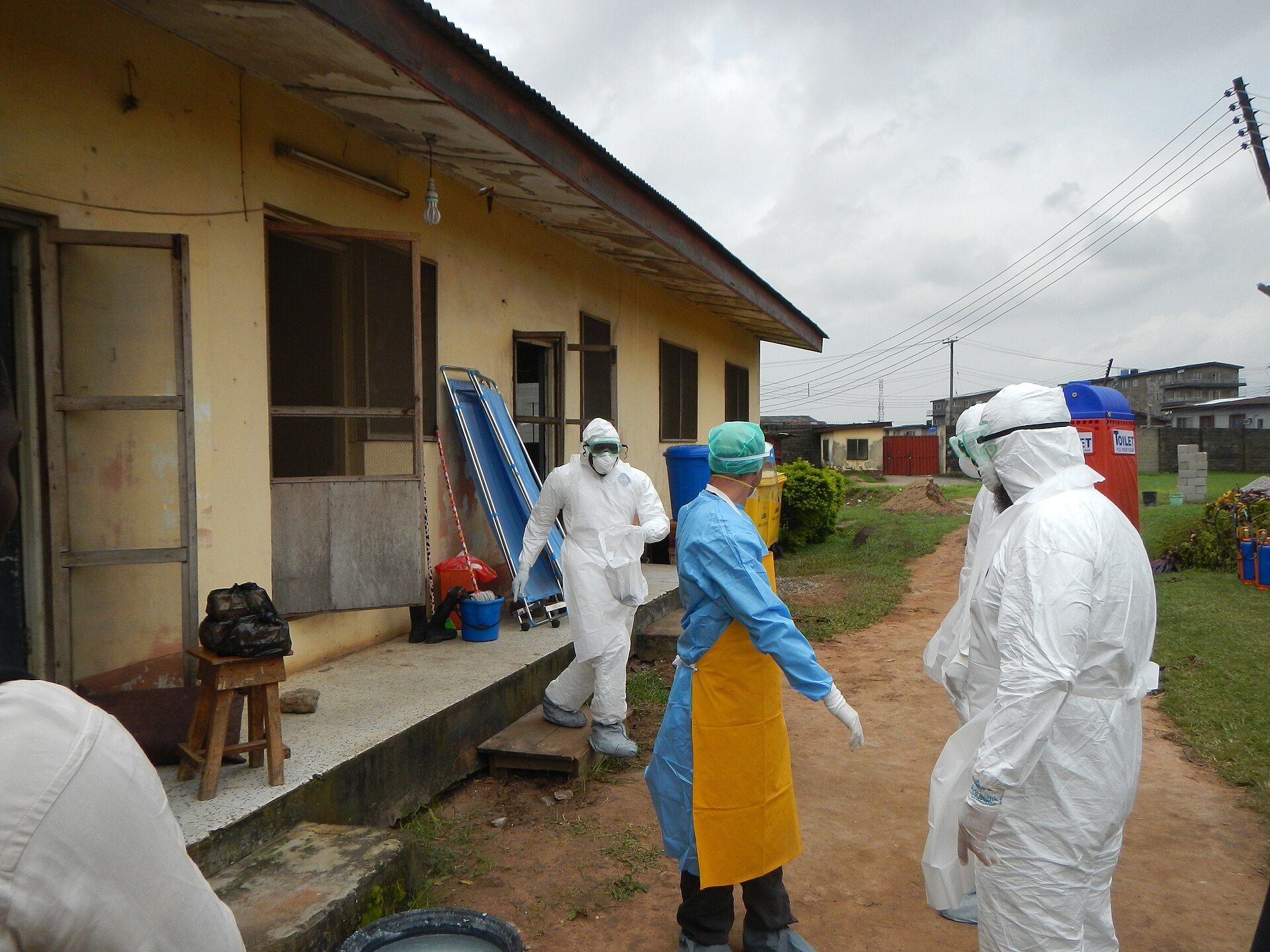
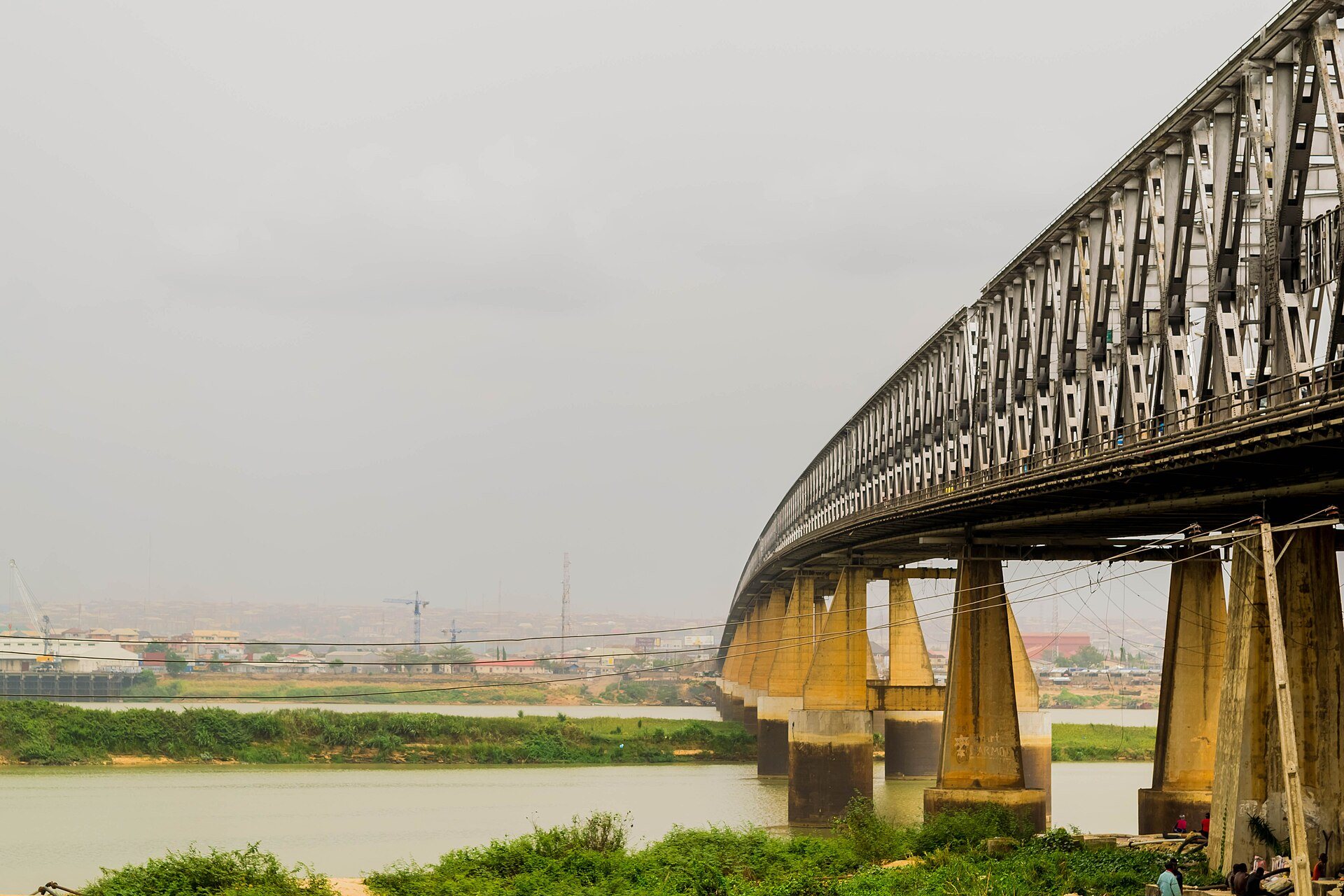
Nigeria's first Ebola patient left Abuja for Switzerland on October 26. Fifty-three people are being traced, most from the hospital that treated her. The days between her first symptoms and her test, not the border, decide how far this goes, and no two official accounts agree on how many there were.
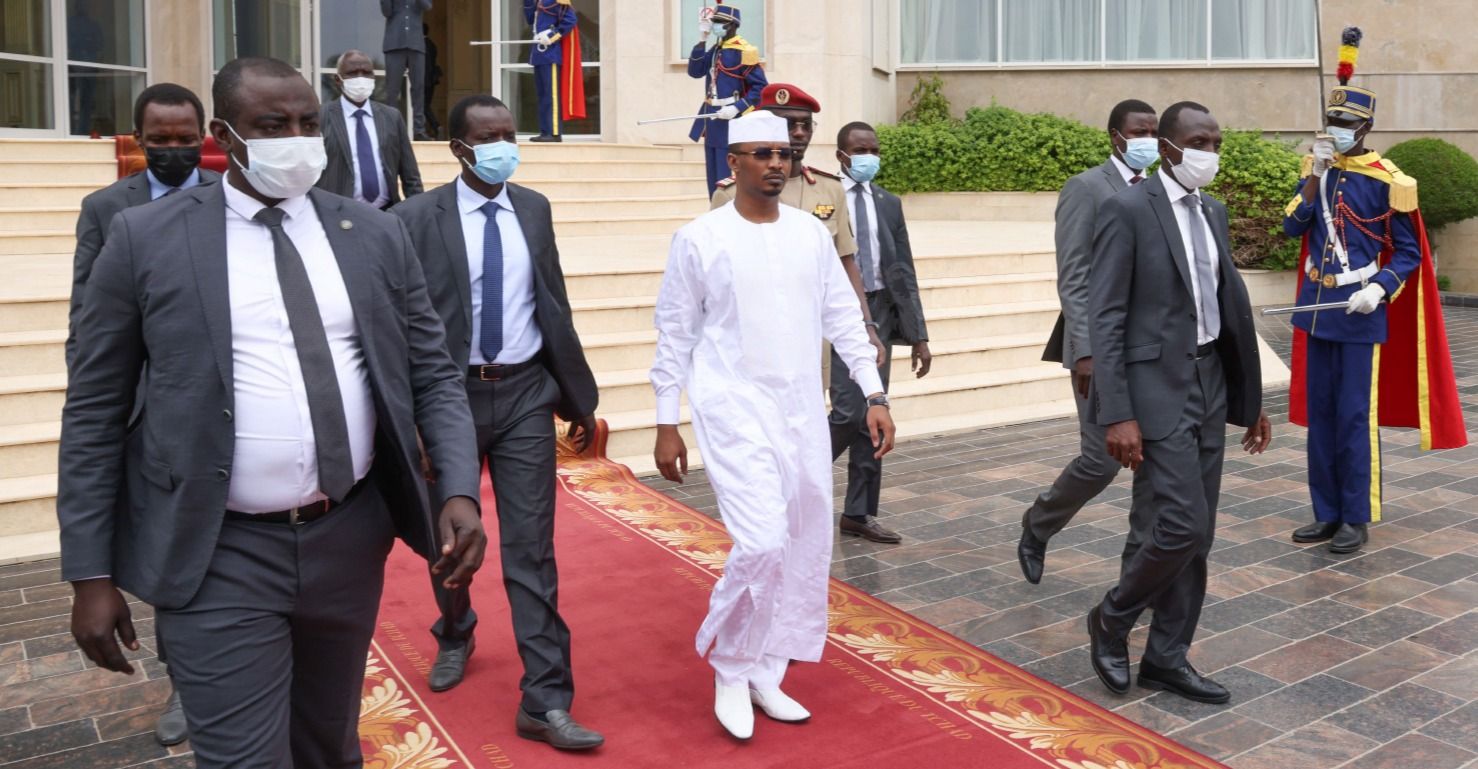
The president's eldest son, now vice-president, would take over within 24 hours if his father died or resigned. A French court has convicted him of money laundering.
On October 15 Somalia's president said there would be no talks with the opposition on how the vote works. Ten days later he said the door to dialogue was always open, and invited his rivals to a forum on his terms. The electoral commission has set the dates, parliament on April 15 and the president on May 15, 2027, and says it is independent. It needs the government for money, security and political support.
A police sergeant shot a woman in a work van on October 9. A week of unrest brought a curfew, at least 188 arrests and talk of prosecuting children from 12. On October 24 the police-complaints body asked the public for video of the shooting. That is where the answer will come from.
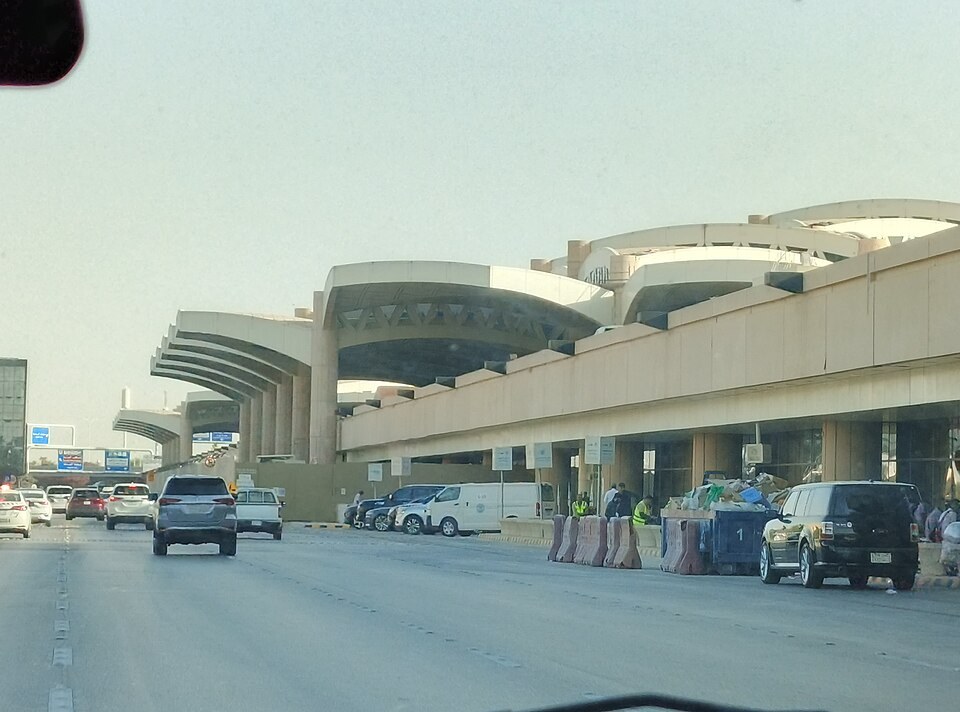
Thirteen people died when a missile hit Riyadh's main airport on October 10. It reopened on October 25 with explosions heard that morning. The problem is arithmetic: multimillion-dollar interceptors against drones that cost tens of thousands.
A kidnapping in Imo state shows what runs these wars: ransoms, gold sales and taxes taken at gunpoint, not imported weapons. Africa has about four in ten of the world's conflicts and about four in a hundred of its recorded arms imports.
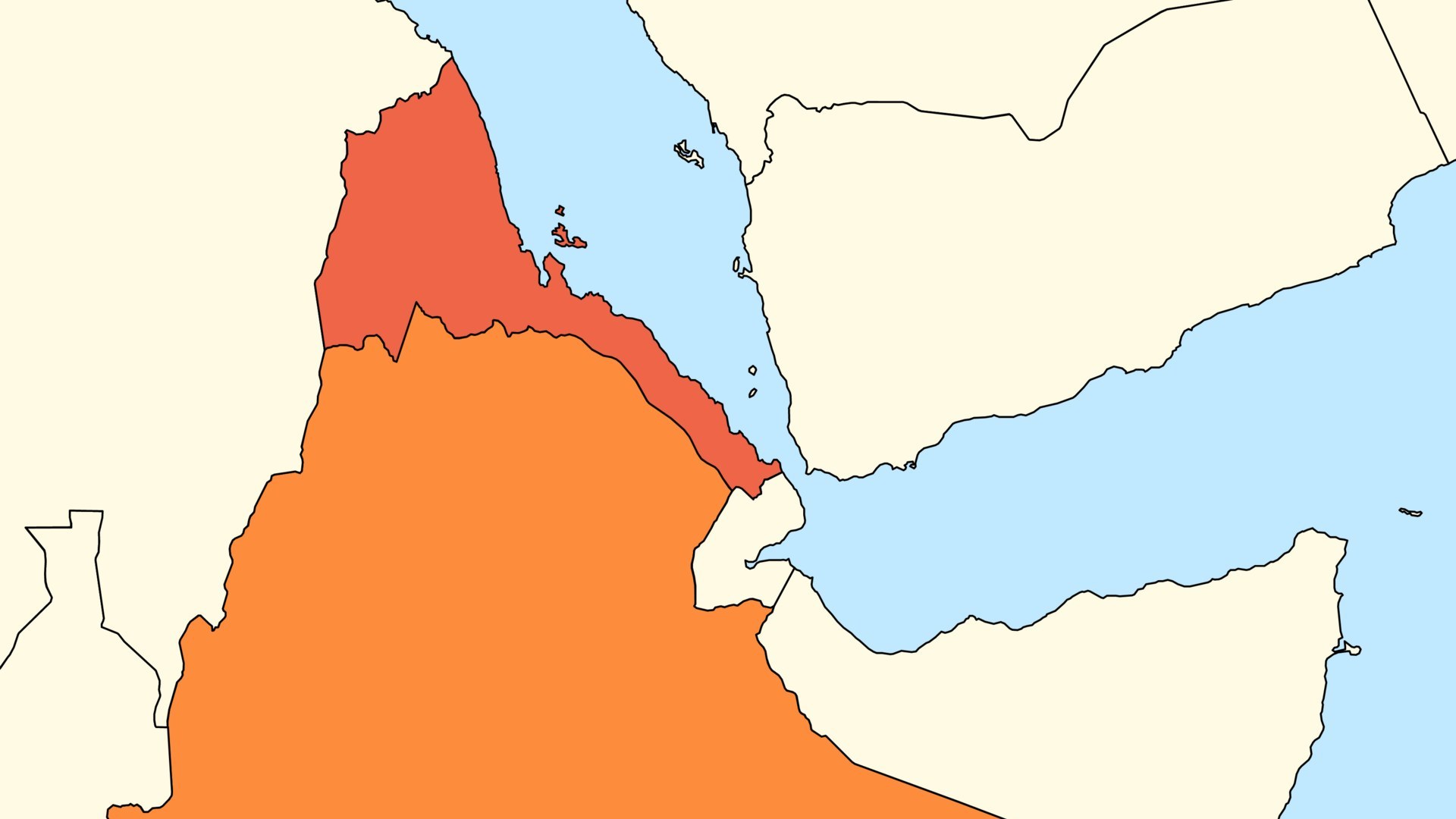
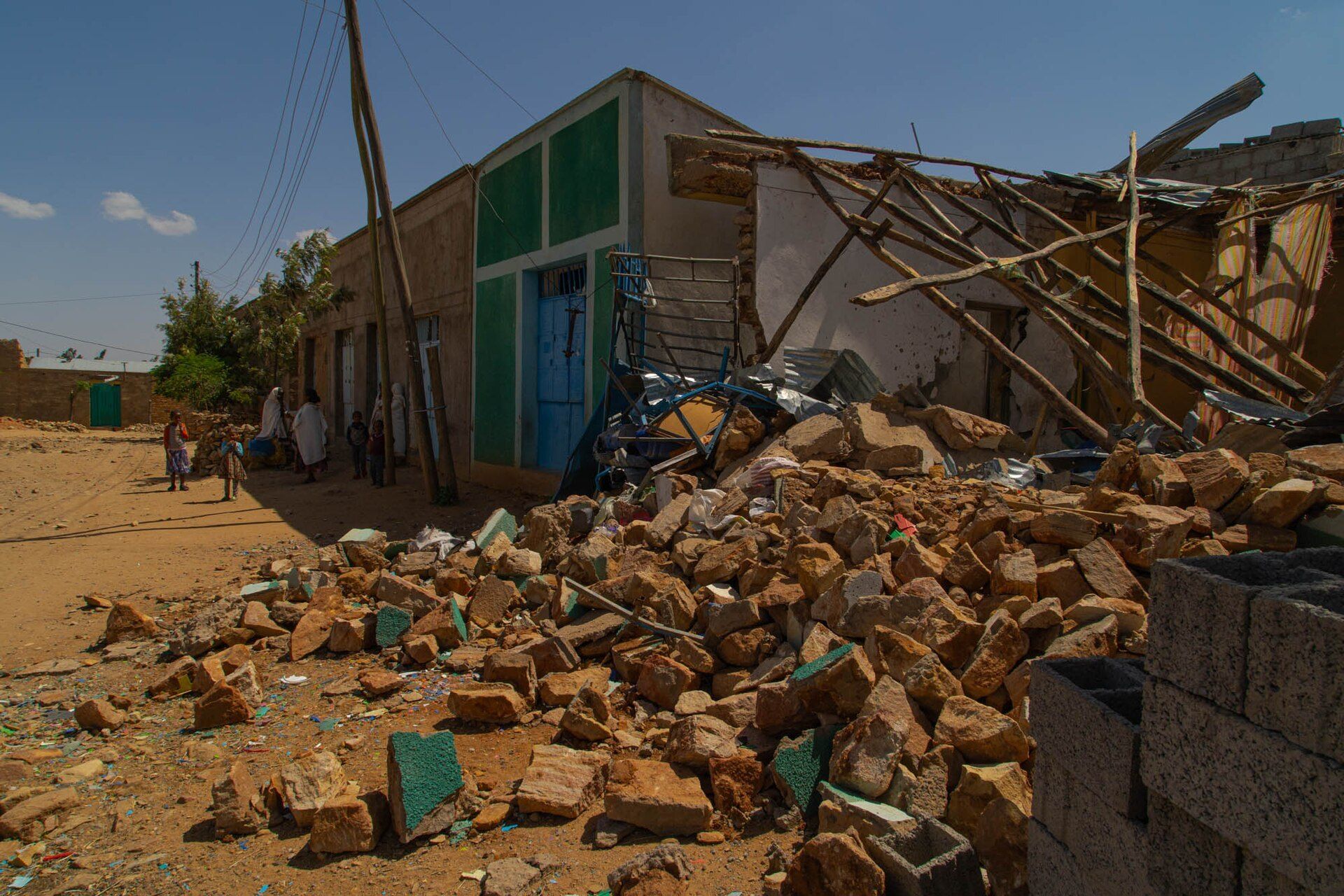
Ethiopia told the UN Security Council that Eritrea invaded up to 60 km into Tigray. Independent monitors found a smaller crossing near Zalambessa and Ethiopian drone strikes, and Ethiopian forces have since pulled back from the border towns. Why would Asmara and the TPLF be on one side, and what could have been done differently?
Police said 20 kidnapped youth-corps graduates in Imo State were rescued on October 7. On October 22 a State Security Service investigator told a High Court they were freed after the kidnappers' ransom was paid. Families say they paid, the police commissioner says he knew of none, and three men are on trial.
One brother was replaced in July 2025. For the other two, I found no decree or report that confirms them in place or removes them, and the presidency has not answered the criticism.
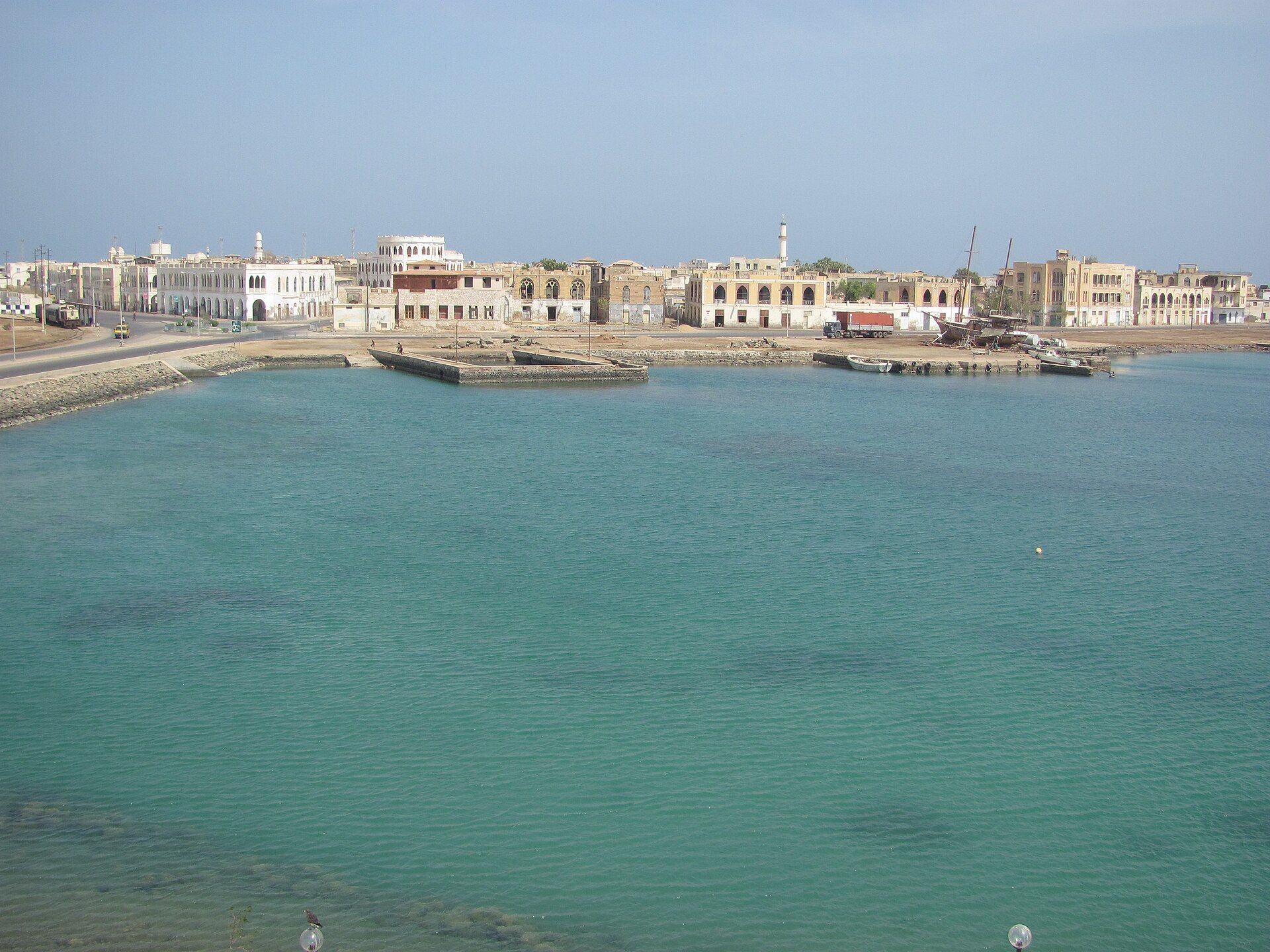
Four leaders signed a non-interference pledge at Alamein, and three days later witnesses reported soldiers in Tigray. Nothing I found links the summit to the troop reports. But the declaration has no penalty and no test, the follow-up mechanism has produced no public meeting, and sources still disagree on whether Eritrean forces are in Tigray.
Congo's Ebola numbers come from surveillance workers who say they have missed pay, in towns where a ruling-party official was beaten to death, his party says, for defending the response. The September dip in cases did not last, and Africa CDC says $700 million of the aid paid out cannot be traced.
Eleven months after Samia Suluhu Hassan named her daughter and son-in-law to her cabinet, State House has not explained the choice. This week the opposition leader began a hunger strike and a second Chadema official was charged with treason.
Tigrayans fight Tigrayans, young people are fleeing, and the neighbours that once argued over a dam are now circling a war. Somalia hosts Ethiopian refugees, shares a border with Al-Shabaab territory and sits at the centre of a diplomatic scramble. I saw this kind of corridor diplomacy at the African Union, and it does not tell the public what is at stake.
Somalia's Supreme Court threw out Galmudug's July 30 vote. On September 30 the state voted again, run by the same commission, from the same register, without the party that won the case.